
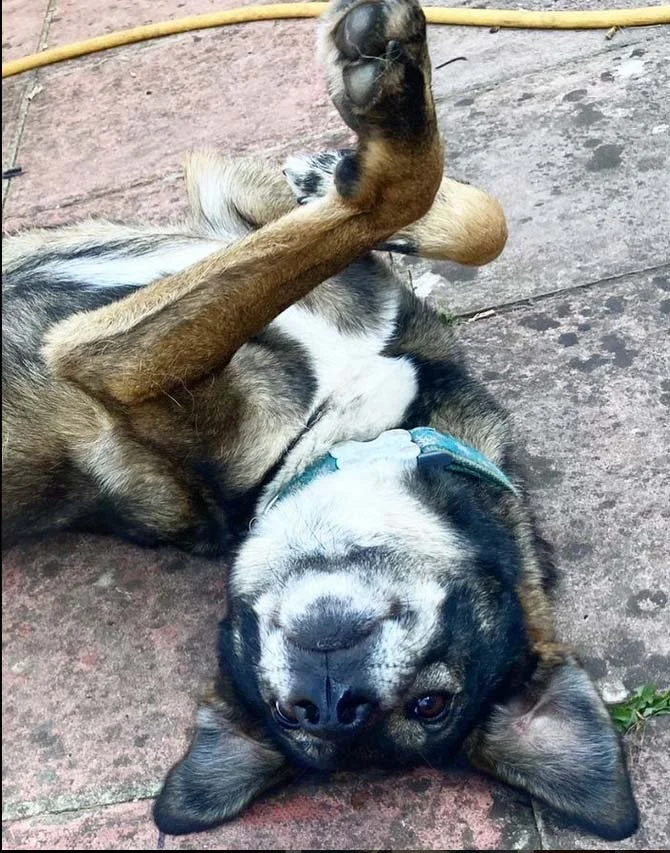
Photo by my friend Heather
What if I tell you that you can influence your dog’s behaviour not just by instructing but by listening?
I believe that the vast majority of dog owners are incredibly dedicated and that the wellbeing of their pets matters to them a lot. Many of them try to figure out how to best help and support their animals from early stages. We all know about how many different sources a person can come across. TV has multiple dog-related programmes, there are newspapers dedicated to dogs, some veterinarians also give behaviour advice, and of course, the internet.
Yes, the internet. YouTube, Facebook and Instagram are absolutely full of different trainers, behaviour specialists and even owners who dedicate their entire channels to presenting the learning process. While we can find loads of good information, it is also clear that opinions differ and not everything we find serves our dogs best.The main two things that we can observe are the two strongest sides - positive and so-called ‘balanced’. I will now quickly explain the difference. Positive refers to the use of more ethical methods, focusing on reinforcing good behaviours and a lack of punishment, as well as looking at the medical side etc. ‘Balanced’ training refers to using some positive methods but also adding punishment which often is unclear; it could be the use of tools like e-collars, shock collars or prong collars. It could also mean harsh corrections, often jerking the lead and causing a rapid jerk on the dog's neck (have you ever had whiplash, by the way?).
I have decided to stick to high ethical standards by promoting the humane treatment of our beloved dogs as well as informing owners who could possibly have never before come across these methods. What I mean is that if you are reading this article now and thinking of methods you previously used - don't worry. I am are here to create a non-judgmental space where we can support and inform you!
So let's go back to the positive methods.To provide a person and their dog with a high-standard service that really takes into account the welfare of a dog and the emotional comfort of the human, we need to switch from an old-school mindset. Some years ago, the dog training industry was focusing mainly on telling the dog what to do. Whether through positive reinforcement or punishment, the main focus was always on making the dog adjust to us humans. Thankfully, this is changing; many professionals, including those you can find on this page, work tirelessly and study for many years to change the outdated dog training world into something that builds trust and a relationship between the dog and the owner.So how do we switch from commanding to listening? I know, this can sound overwhelming at the beginning but I assure you that you don’t need to change everything immediately. Dogs are extremely good at observing; they are capable of recognising behavioural patterns and they will quickly appreciate small changes! And there is nothing more enjoyable than to see how the relationship progresses, how we can really start a conversation with our pets.
There is an old Polish folklore tradition that makes people believe that on 24th December, animals get a real, human voice and speak to us. When I was a child, I was always waiting for this day. I was always obsessing over animals and was always hoping they will speak to me. I could spend hours watching swimming fish instead of even interacting with people. When I grew up, I realised something very important. I realised that while this Polish tale is really beautiful, the truth is slightly different. That in fact, animals talk to us everyday and they always have something important to tell us.They inform us about how they feel physically; they show their pain and discomfort. They inform us about their social preferences. They tell us if they enjoy interaction with other dogs or a person. They tell us if they are scared of noise or if they enjoy other sounds like relaxing music. They can tell us about their favourite places to rest. They inform us about their food preferences or intolerances. They do tell us if they enjoy touch, how much of it and by whom.They can tell if they like a busy place or not. So many things!!!
Dogs' communication includes:
- Body language
- Facial expressions
- Olfactory communication (scent)
- Vocal communication
- Touch and physical contact
- Movement and gait
- Spatial and proxemic communication
Why does this matter so much?
You can spend years training your dog, spending money on trainers, equipment, treats, books. But without LEARNING TO OBSERVE AND LISTEN to your dog, you might miss an incredibly important piece of the puzzle. Behaviour is a complicated subject but behavioural problems do not really stem from the dog beng 'naughty'. Yes, training consistency and a good reward matter of course, but it's only a small chunk of it all.Without taking into account the health and emotional needs of a dog, we are only spinning in circles. Another thing is that every dog is an individual and only by listening can we correctly respond to their needs! Some dogs are real social butterflies and like to be touched by a lot of people and like to play and meet many dogs - I would say this is, however, less common than we think. Some dogs have genetic predispositions, also related to their breed - for example, a working German Shepherd will be more likely to show guarding behaviours towards strangers or in contrast, a therapy dog Golden Retriever would be more likely to show as very gentle, even to strangers.
Some dogs can experience conditions like arthritis, and you can only imagine that convincing a dog like this, even with treats, to go and face a bunch of fast-moving young dogs wouldn’t be ethical. Convincing a dog with a toothache to tolerate kids that run around and make a lot of noise sounds inappropriate. A dog with trauma might not feel comfortable in a busy area. I can list so many examples here!As you can see, helping dogs should not only be based on telling them what to do. Instead, let’s start listening to what they are saying. Let’s start with small steps! I believe that learning about body language is a great start! It can tell you so much about comfort levels and welfare! Learning to communicate was so eye-opening for me. I find this an incredibly exciting thing that you can see! You will be able to more quickly notice signs of discomfort, signs of joy and how the dog feels in certain situations.
Let’s stop obsessing over commands and demands but instead open our eyes, pause and see what dogs are telling us!
Anna
